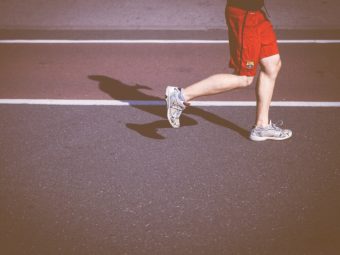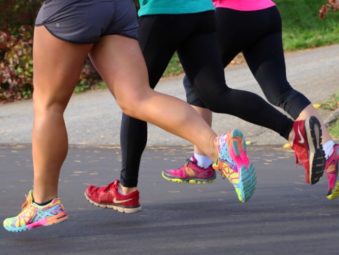
When you go for a run, do you look to improve your running form or pay attention to how your body is feeling? Do you just break your runs into tempo, long slow distance, hill repeats, intervals, or fun runs? Do you just consider it a great workout if you made it through the plan? If you’re doing the latter you may be leaving a wealth of information on the table! And regardless of how old you are, there is always room for improvement in developing an efficient running form. By evaluating how your body feels with each step is one way to tap into the information.
Feeling where your feet are landing in comparison to the rest of body can be a useful tool. As you go for a run, begin by listening to how your feet sound when they make contact with ground. Are they making loud slapping noise or are they quiet? The louder the noise, the greater chance you could be heel striking. The slapping noise is the rest of your foot slapping the ground after the heel makes contact with the earth. Remember that the force of the oncoming road(mph) and the impact of the runner’s body combine to be about three times the weight of the runner that must be absorbed somewhere. If this somewhere is out in front of the center of mass of the runner’s body, it can create repetitive injuries. These injuries can be knee, shin splints and IT band to name a few.
Look down at your knees as you run. Are they bent when you make initial contact with the ground? Can you see your shins? If you can see your shins you’re still likely to be heel striking. So, instead of throwing your leg forward and locking the knee, relax and allow your leg to return on it’s own by tendon recoil. Keeping your knee joint locked can cause runner’s knee issues or aggravate ongoing knee issues. Practice bending your knees a little more and relax your lower legs until you can no longer see your shins. Chances are the foot will be closer to your center of mass and the impact will then be considerably less to the knee joint.
The above is just one example of how being mindful of how you run can help make you a more efficient runner. There are even more things that running can teach you about life. For example, be open to change and relax if friction is causing you problems. There might be another way to go about solving a problem. So, the next time you are out, listen carefully to what your body is telling you and see if you can learn to participate in the conversation while learning something new.